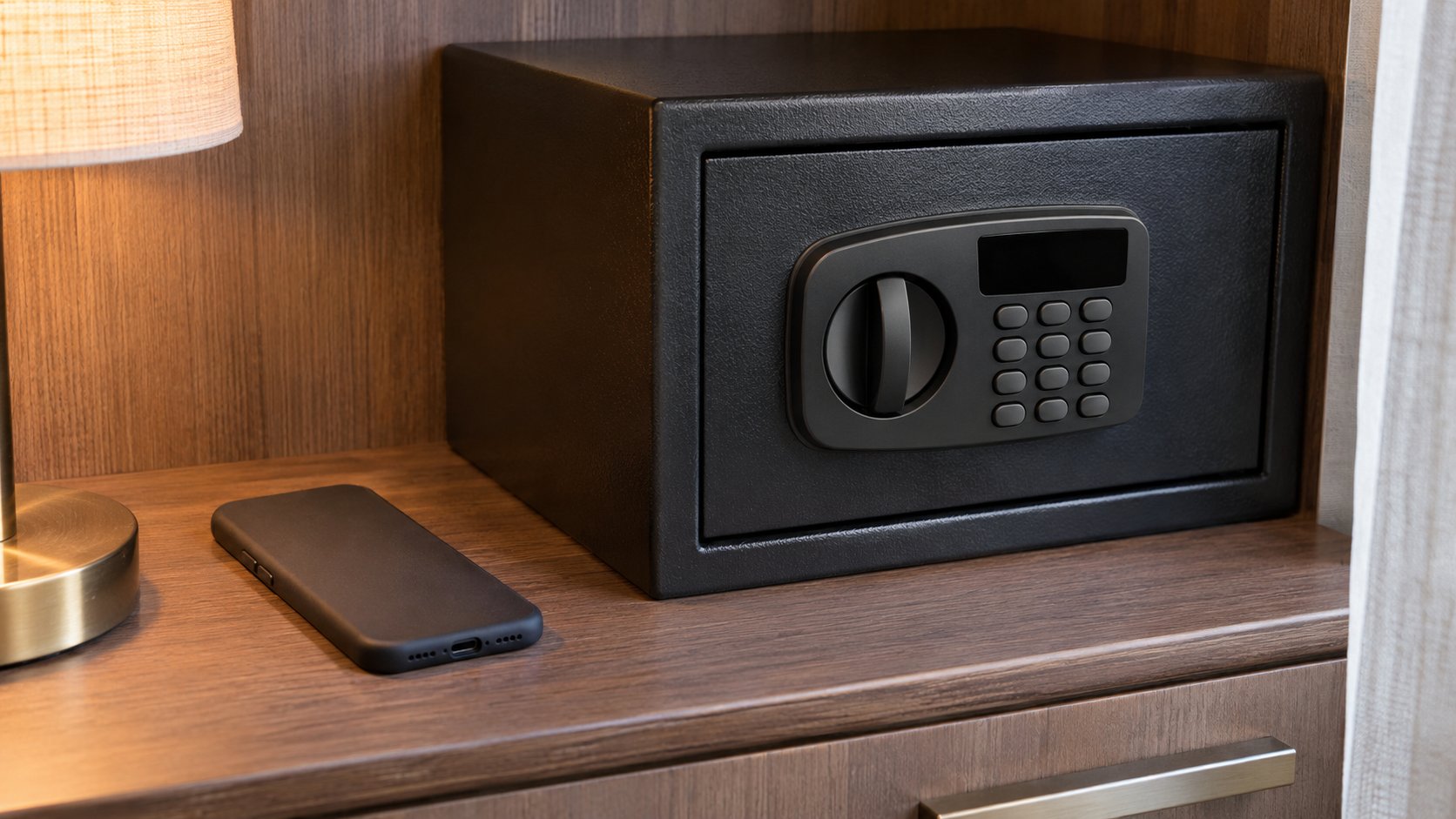
A phone can make a private moment public in seconds. Whether you are visiting a venue, attending an event or meeting another adult privately, decide what may be recorded and shared before the camera comes out.
This is a practical overview and general information, not a statement of Thai law or legal advice. Local rules depend on the place, the material and the circumstances, and they can change.
Ask before you record
Obtain clear permission from everyone who may appear in a photograph or recording. Discuss what the image is for, who can keep it and whether it may be published. Permission to take one picture is not permission to share it with friends or post it online.
Do not photograph other visitors, staff, documents or identifying details in the background. Follow a venue’s camera policy and ask staff if you are unsure. If anyone says no, put the phone away.
Think beyond the photograph
A location tag, booking confirmation, distinctive room or reflection can reveal more than you intended. Do not publish another person’s name, workplace, contact information or private messages without the necessary permission. Ask what details a payment or booking service shares with the other party.
Use strong account security and keep authentication codes private. If a device is lost or an account is compromised, use the service’s official recovery process and change credentials as appropriate.
Do not rely on forum summaries of the law
Advice copied from an old forum may confuse private conduct, public behaviour, photography, distribution and business regulation. These are different questions, and summaries of Thai rules on prostitution, obscene content, photographing people, computer crimes or privacy (including the PDPA) can be incomplete or out of date. Check current official information and seek advice from a qualified Thai lawyer when a legal decision depends on it.
A private agreement does not give anyone the right to threaten, deceive or expose another person. If someone threatens to share intimate material, preserve relevant evidence safely and seek local support or legal advice. Avoid paying or continuing a conversation under pressure without obtaining help.
A simple agreement
Before a meeting, decide whether devices will remain away, whether any images are permitted and how privacy concerns should be raised. Either person can say no to recording. A respectful interaction makes that answer easy to give.
Leave a Reply